


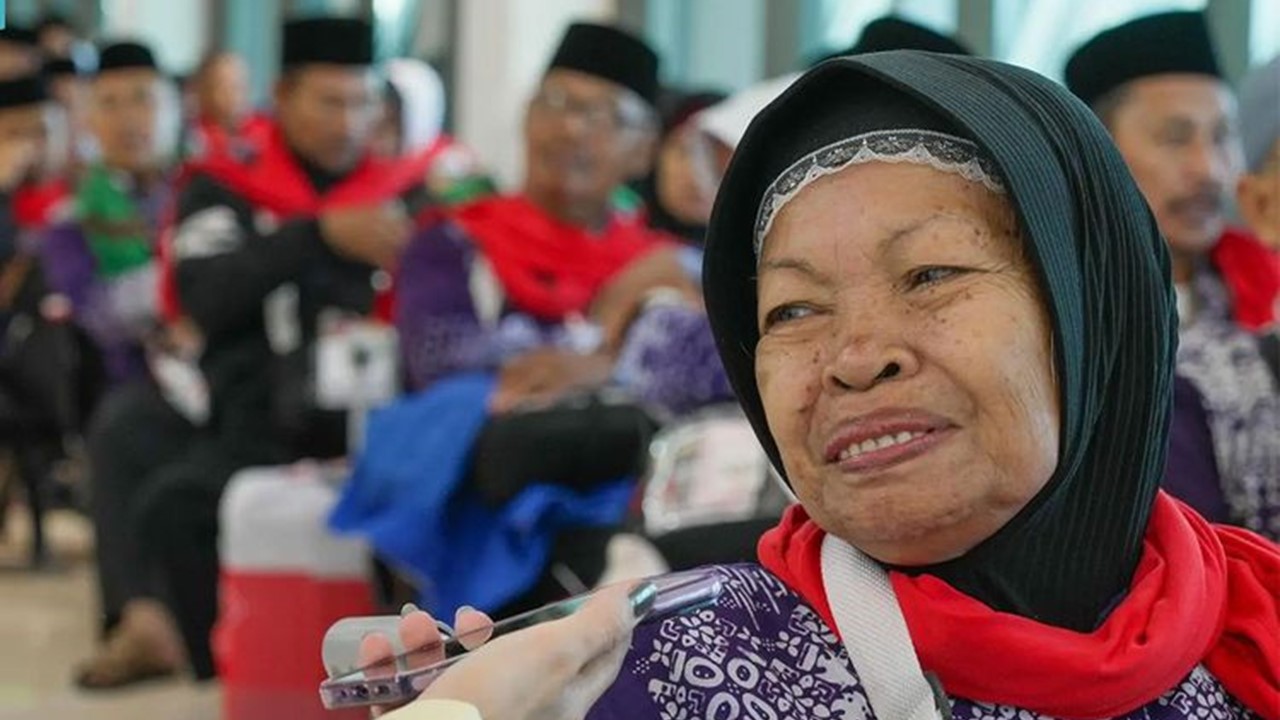
Hajj 2026 Evaluation Must Lead to Real Governance Improvements for 2027, IIHUS Says
The Indonesian Institute for Hajj and Umrah Studies (IIHUS) has called for the evaluation of the 2026 Hajj season to produce real governance improvements for Hajj 2027, warning that routine reports alone will not be enough to fix recurring challenges.
According to IIHUS, the evaluation must focus on four priority areas: pilgrim health, data accuracy, inter-agency coordination, and transparency in fund management.
The institute’s position adds pressure on Hajj authorities and related agencies to turn lessons from the 2026 season into measurable reforms before the next pilgrimage cycle begins.
Why the Hajj 2026 Evaluation Matters for Hajj 2027
Hajj operations involve millions of pilgrims, multiple government agencies, airlines, health services, travel operators, and Saudi authorities. Even small weaknesses in planning or coordination can create major problems on the ground.
IIHUS argues that the value of the Hajj 2026 evaluation will be measured by what changes before Hajj 2027. Instead of simply documenting what happened, the evaluation should identify systemic gaps and assign clear responsibility for fixing them.
For Indonesian pilgrims, the stakes are high. Better governance means safer journeys, more accurate data, smoother coordination, and greater confidence that Hajj funds are managed responsibly.
Four Priority Areas IIHUS Wants Addressed
1. Pilgrim Health
Pilgrim health remains one of the most critical parts of Hajj governance. The 2026 Hajj evaluation must examine how well authorities handled health screening, medical records, chronic conditions, emergency response, and care for elderly pilgrims.
IIHUS’s emphasis on health suggests that future improvements should include stronger pre-departure health checks, better coordination between medical teams, and more reliable access to pilgrim health data during the pilgrimage.
2. Data Accuracy
Accurate pilgrim data is the backbone of a well-run Hajj season. Errors in identity records, passport details, visa processing, flight manifests, hotel allocations, or health information can cause delays and confusion.
IIHUS wants the Hajj 2026 evaluation to address data accuracy seriously. This includes verifying pilgrim information early, synchronizing databases between agencies, and ensuring real-time updates where needed.
3. Inter-Agency Coordination
Hajj is not managed by one institution alone. It requires close cooperation between religious affairs authorities, health ministries, immigration departments, airlines, travel agencies, and Saudi counterparts.
When coordination breaks down, pilgrims often feel the impact through long waits, unclear instructions, transportation problems, or inadequate services. IIHUS’s call for better inter-agency coordination points to the need for clearer roles, shared timelines, and a unified command structure for Hajj 2027.
4. Transparency in Hajj Fund Management
Transparency in fund management is essential for public trust. Pilgrims and their families contribute significant amounts of money for Hajj, and they deserve clear information about how those funds are collected, allocated, and spent.
IIHUS’s focus on transparency suggests stronger audits, open procurement processes, clear cost breakdowns, and regular public reporting. Without transparency, even successful operational improvements can be undermined by suspicion and mistrust.
From Evaluation to Implementation
The key message from IIHUS is that evaluation must lead to implementation. Recommendations should not remain in reports or seminars.
For Hajj 2027 to improve, the evaluation process should produce:
-
Clear deadlines for reforms
-
Named agencies responsible for each action
-
Measurable performance indicators
-
Regular public updates on progress
-
Independent oversight where necessary
This approach would help ensure that lessons from Hajj 2026 are not repeated in the next season.
What This Means for Indonesian Pilgrims
For Indonesian pilgrims, stronger governance could mean better health protection, fewer data-related problems, smoother coordination between agencies, and greater confidence in Hajj fund management.
It could also improve the overall pilgrim experience, from registration and preparation to departure, arrival in Saudi Arabia, and return home.
IIHUS’s statement is a reminder that Hajj reform is not only about logistics. It is also about accountability, public trust, and the welfare of pilgrims.
Key Takeaways
-
IIHUS says the Hajj 2026 evaluation must lead to real governance improvements for Hajj 2027.
-
The four priority areas are pilgrim health, data accuracy, inter-agency coordination, and transparency in fund management.
-
Recommendations must be followed by clear deadlines, measurable targets, and public accountability.
-
Better governance will directly affect the safety, comfort, and trust of Indonesian Hajj pilgrims.
Frequently Asked Questions
What did IIHUS say about the Hajj 2026 evaluation?
IIHUS said the evaluation must lead to real governance improvements for Hajj 2027, not just reports or recommendations.
What are the main priorities for Hajj 2027?
The main priorities identified by IIHUS are pilgrim health, data accuracy, inter-agency coordination, and transparency in Hajj fund management.
Why is transparency in Hajj fund management important?
Transparency helps ensure that pilgrim payments are managed responsibly, builds public trust, and allows for proper oversight of Hajj costs and services.
How can Hajj 2026 evaluation improve Hajj 2027?
It can improve Hajj 2027 by identifying systemic weaknesses and turning them into measurable reforms with clear deadlines and accountable agencies.
Conclusion
IIHUS’s call is clear: the Hajj 2026 evaluation must be more than a formality. It must become a governance tool that delivers safer, more transparent, and better-coordinated Hajj services for 2027.
For Indonesian pilgrims and Hajj stakeholders, the next step is implementation. The success of Hajj 2027 will depend on whether the lessons of 2026 are turned into action.
