


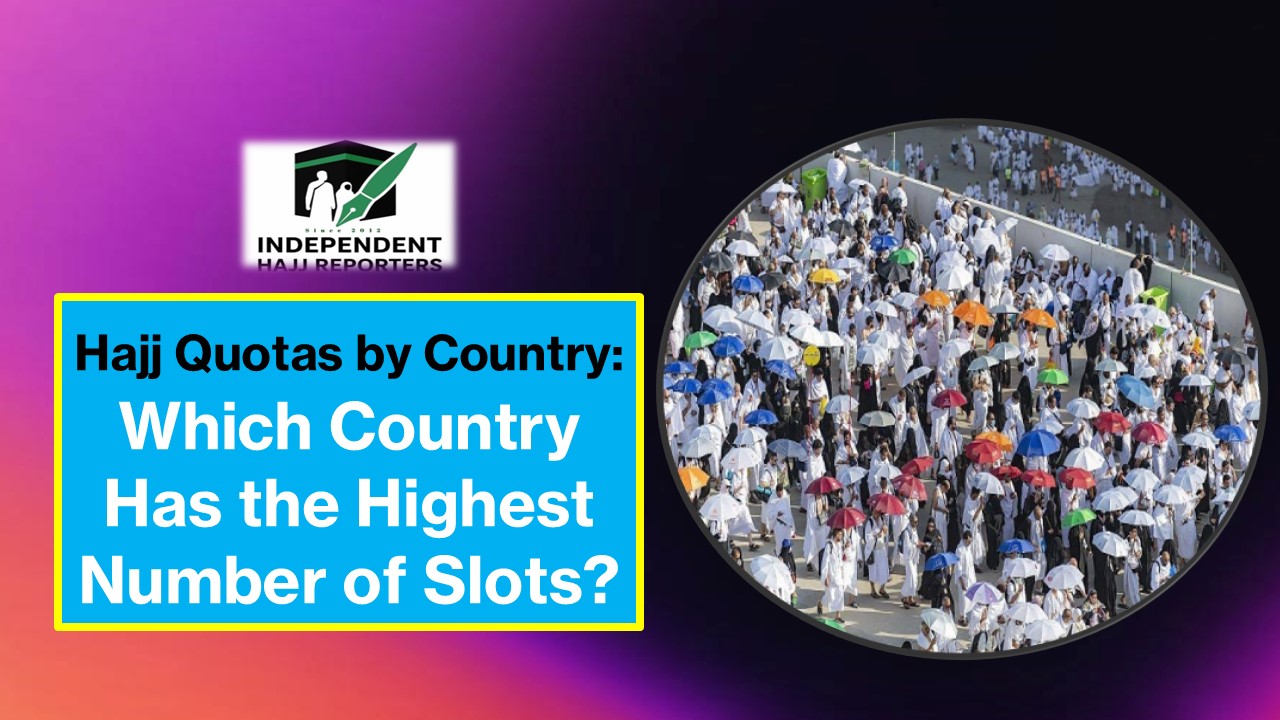
Indonesia leads the world with a 221,000 Hajj quota for 2027, followed by Pakistan (180,000) and India (175,000). Nigeria’s quota was cut 30% to 66,910 for underutilisation. Indonesia’s average wait is 26.4 years.
Saudi Arabia assigns Hajj quotas on a country-by-country basis, primarily determined by the size of each nation’s Muslim population. With approximately 1.5 million international pilgrims expected for Hajj 2027, these quotas shape who gets to perform the once-in-a-lifetime obligation and when. Here is a breakdown of how the system works and which countries hold the largest allocations.
Top 10 Countries by Hajj Quota
The largest quotas reflect the world’s most populous Muslim communities:
- Indonesia – 221,000 (the world’s largest quota, matching its status as the most populous Muslim country)
- Pakistan – 180,000
- India – 175,000
- Bangladesh – 127,000
- Nigeria – 50,000 (reduced from 95,000 – )
- Iran – 87,550
- Ethiopia – 43,000
- Algeria – 41,300
- Turkey – 37,770
- Egypt – 35,375
Together, the top four countries alone account for over 700,000 pilgrims – nearly half of the total international quota. Saudi domestic pilgrims add significantly to the overall numbers, with the Kingdom’s own residents applying via the Nusuk platform.
How Quotas Are Set
The quota system follows a general principle of proportionality to Muslim population size, but several other factors influence the final numbers. Diplomatic relationships, historical utilisation rates, and logistical capacity all play a role. Countries that consistently fail to fill their quotas risk reductions in subsequent years.
According to World Population Review, geopolitical factors can also affect allocations. Iran’s quota, for example, is notably lower than its Muslim population would suggest, and the country has suspended its participation entirely for 2027 amid ongoing tensions with Saudi Arabia.
Nigeria’s Quota Cut: A Warning for Other Countries
One of the most significant quota changes for 2027 is Nigeria’s reduction from 95,000 to 50,000- a drop of nearly 35 percent. According to reports, Saudi Arabia made the cut because Nigeria failed to utilise its full allocation during the 2024 and 2025 Hajj seasons.
What the Waiting Times Look Like
The gap between demand and quota allocation creates extraordinary waiting times in some countries. In Indonesia, the average wait for a Hajj place is 26.4 years nationally, with some provinces seeing waits of over 30 years. This means an Indonesian Muslim who registers in their twenties may not perform Hajj until their fifties or sixties.
These waiting times have fuelled calls for Saudi Arabia to increase overall capacity, but the Kingdom must balance pilgrim numbers against safety. The 2024 heat disaster, which killed over 1,300 people (83 percent of them unregistered pilgrims), underscored the dangers of overcrowding beyond the infrastructure’s capacity.
What Pilgrims Should Know
If you are from a country with a large quota, your Hajj operator or national Hajj authority will handle the allocation process. Ensure you register through official channels only – unofficial operators cannot guarantee legitimate permits, and performing Hajj without a valid permit now carries fines of up to SAR 20,000 and a 10-year entry ban. For countries with long waiting lists, early registration is essential. Check with your national Hajj body for the current waiting period in your region and plan accordingly.
