


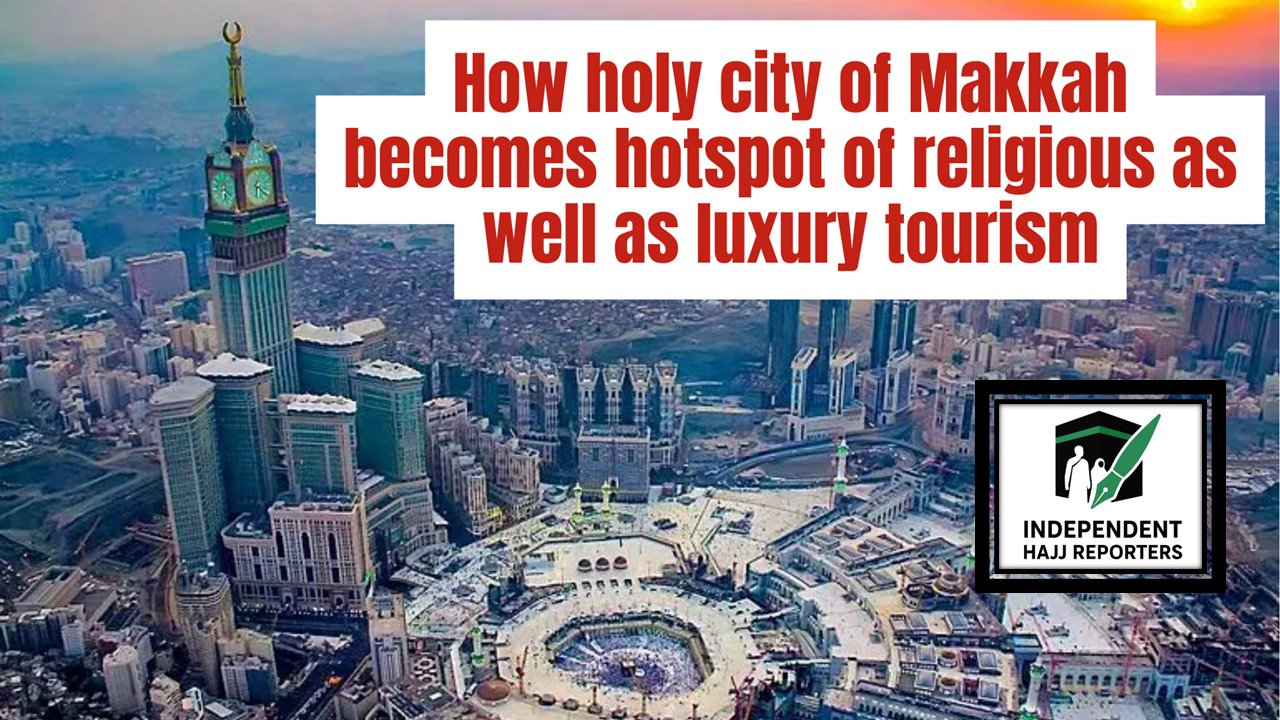
Makkah plans to host 30 million Umrah pilgrims annually by 2030
Makkah, Islam’s holiest city, is experiencing a rapid expansion in hotels and accommodation capacity, fueled by Saudi Arabia’s ambitious Vision 2030 agenda. This surge in hospitality development is positioning Makkah not only as a center for religious tourism but also as an emerging destination for leisure travel. As the Kingdom transforms its tourism sector, Makkah stands at the forefront, with plans to host 30 million Umrah pilgrims annually by 2030, reinforcing its status as a leading global tourism hub.
This growth is closely linked to Vision 2030, the national strategy designed to diversify Saudi Arabia’s economy beyond oil. Tourism is a cornerstone of this vision, and Makkah’s hotel sector plays a central role by welcoming millions of Hajj and Umrah pilgrims alongside visitors seeking cultural experiences. According to the Ministry of Tourism, the city now has more than 300,000 licensed hotel rooms, marking a substantial increase and supporting year-round visitation.
Government Support Accelerates Tourism Growth
Makkah’s hotel boom is driven by targeted government investment in tourism infrastructure. Beyond accommodation, these efforts include enhanced accessibility through modern transport projects such as the Haramain High-Speed Railway, which links Makkah with Jeddah and Madinah. Improved connectivity has made travel easier for both pilgrims and tourists, further strengthening the city’s appeal.
Vision 2030 also emphasizes building a diverse hospitality ecosystem. While religious tourism remains the backbone of Makkah’s visitor economy, expanding leisure tourism is a growing priority. As a result, the city now offers a wide range of accommodation options, from luxury hotels to budget-friendly stays, catering to travelers of all profiles.
Pilgrimage Tourism Remains the Cornerstone
Despite the rise of leisure travel, Makkah’s role as the heart of Islamic pilgrimage remains unmatched. Hajj draws millions of worshippers annually, while Umrah continues to attract visitors throughout the year. Official figures indicate that more than 1.5 million Hajj pilgrims were hosted in 2025, with Umrah numbers continuing to climb, making a major contribution to tourism revenues.
Saudi authorities aim to significantly increase these figures, targeting 30 million Umrah pilgrims per year by 2030. Achieving this goal will require continued expansion of hospitality capacity and services capable of managing peak demand during major religious seasons, in line with broader investments in religious tourism infrastructure.
Enhancing the Visitor Experience
Alongside increasing room supply, Makkah is focusing on elevating the overall visitor experience. Hotels are adopting new technologies to streamline services, improve efficiency, and enhance guest comfort. Many properties now feature amenities tailored to pilgrims, including prayer facilities, halal dining, and convenient access to the Grand Mosque, encouraging repeat visits from both religious and leisure travelers.
Large-scale urban projects such as the Masar Destination are also reshaping the city, integrating hotels, cultural venues, retail spaces, and transport hubs into a unified, modern environment. These developments aim to make Makkah more attractive to a broader range of visitors while preserving its spiritual character.
Supporting Economic Diversification
The expansion of Makkah’s hospitality sector is a key pillar of Saudi Arabia’s economic diversification strategy. Tourism growth is generating employment, supporting local businesses, and creating sustainable revenue streams beyond oil. Makkah’s success is also setting a benchmark for other regions developing their own tourism infrastructure to meet rising demand.
In 2025, Saudi Arabia’s hotel occupancy rate reached 63%, reflecting strong demand in Makkah and other major destinations and underscoring the sector’s growing importance to the national economy.
A Promising Future for Global Tourism
With strong government backing, modern infrastructure, and a growing range of hospitality offerings, Makkah is well positioned to become a global leader in both religious and leisure tourism. The continued expansion of hotels and services highlights the Kingdom’s commitment to Vision 2030. As millions of pilgrims and visitors continue to arrive each year, Makkah’s tourism sector is set to remain a vital driver of Saudi Arabia’s economic transformation, ushering in a dynamic new era for this spiritual and cultural capital.
