


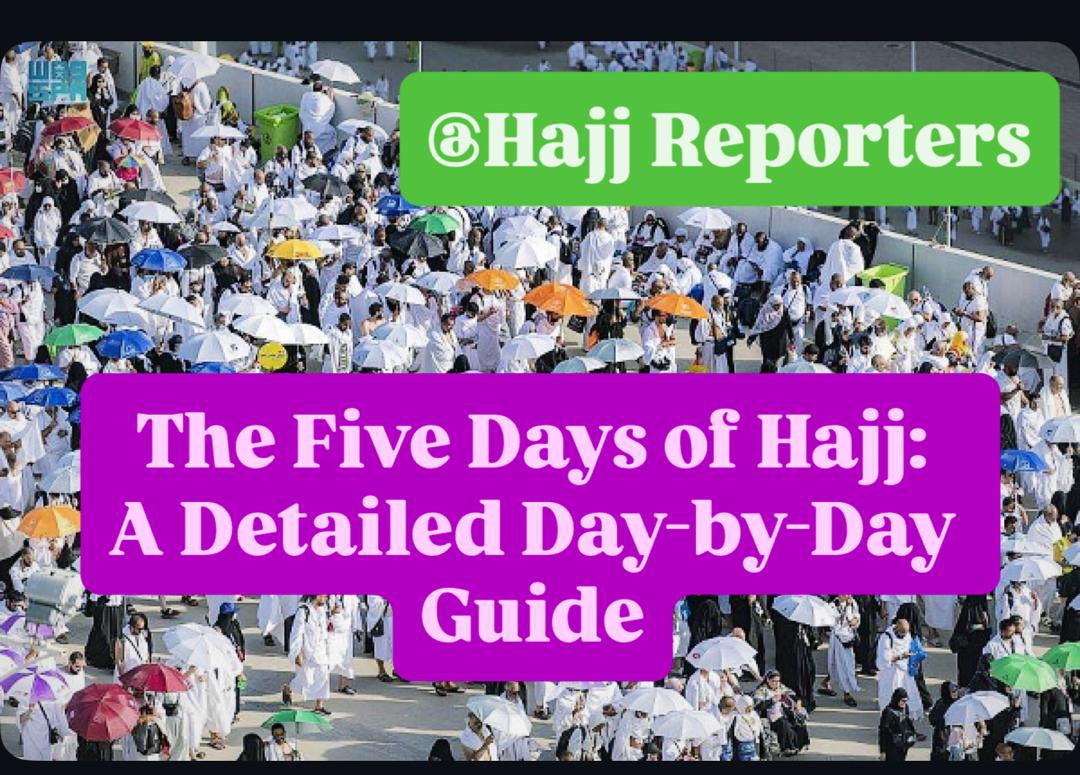
What Happens On Each Day Of Hajj
Understanding the Spiritual Journey of Hajj
Hajj is one of the five pillars of Islam, a sacred journey that millions of Muslims undertake each year. This pilgrimage follows a specific schedule over five days, with each day holding special rituals and spiritual significance. Let’s explore what happens on each day of this holy journey.
Day 1: 8th Dhul-Hijjah (Yawm al-Tarwiyah)
The Hajj officially begins on the 8th day of Dhul-Hijjah. Pilgrims enter ihram, a special state of purity, by wearing simple white garments that represent equality before Allah. Men wear two seamless white cloths, while women dress in simple, modest clothing.
After entering ihram, pilgrims recite the talbiyah prayer: “Labbayk Allahumma Labbayk” (Here I am, O Allah, at Your service). This day is called Yawm al-Tarwiyah (Day of Quenching Thirst) because historically, pilgrims would gather water for their journey.
The main ritual on this day involves travelling from Mecca to Mina, a small village about 5 miles away. Pilgrims spend the day and night in Mina, praying and preparing spiritually for the challenging day ahead.
Day 2: 9th Dhul-Hijjah (Day of Arafah)
The second day is considered the most important day of Hajj. After the Fajr prayer in Mina, pilgrims proceed to the Plain of Arafah, where they perform wuquf (standing before Allah). This ritual commemorates the Prophet Muhammad’s final sermon.
From noon until sunset, pilgrims stand in prayer, seeking forgiveness and making supplications. Many climb the Mount of Mercy (Jabal al-Rahmah) where the Prophet delivered his farewell sermon. This standing at Arafah is so essential that the Prophet said, “Hajj is Arafah.”
After sunset, pilgrims move to Muzdalifah, an open area between Arafah and Mina. Here, they pray Maghrib and Isha prayers combined and collect small pebbles for the next day’s ritual. Most spend the night under the stars, resting for the physically demanding day ahead.
Day 3: 10th Dhul-Hijjah (Eid al-Adha)
The third day coincides with Eid al-Adha (Festival of Sacrifice) celebrated by Muslims worldwide. This busy day includes:
Rami al-Jamarat (Stoning of the Devil)
After Fajr prayer in Muzdalifah, pilgrims return to Mina to perform the symbolic stoning of the devil. They throw seven small pebbles at Jamarat al-Aqabah, the largest of three stone pillars, representing rejection of evil temptations.
Animal Sacrifice
Following the stoning, pilgrims sacrifice an animal (usually a sheep, goat, cow, or camel), commemorating Prophet Ibrahim’s willingness to sacrifice his son Ismail out of obedience to Allah. Much of the meat goes to charity, feeding the poor.
Halq or Taqsir
Men then either shave their heads (halq) or trim their hair (taqsir), while women cut a small piece of hair. This symbolizes humility and detachment from physical appearances.
Tawaf al-Ifadah
Pilgrims then return to Mecca to perform Tawaf al-Ifadah, circling the Kaaba seven times counterclockwise. This is followed by Sa’i, walking seven times between the hills of Safa and Marwah, commemorating Hajar’s search for water for her son Ismail.
Day 4-5: 11th-12th Dhul-Hijjah (Days of Tashreeq)
These final days are spent in Mina, where pilgrims continue the stoning ritual. Each day, they throw seven pebbles at each of the three pillars (small, medium, and large Jamarat), totaling 21 pebbles per day. This represents the rejection of evil and commitment to righteousness.
Pilgrims may leave after the stoning on the 12th if they wish (known as Takhir), or they can stay until the 13th for a final round of stoning (Taakhir).
Farewell Tawaf
Before leaving Mecca, pilgrims perform Tawaf al-Wada (Farewell Tawaf), circling the Kaaba seven times as a goodbye to the sacred House of Allah. Many drink Zamzam water and pray for the chance to return again.
Throughout these five days, pilgrims maintain a state of spiritual reflection, unity with fellow Muslims from across the world, and closeness to Allah. The journey tests physical endurance while purifying the soul, leaving many pilgrims profoundly transformed by the experience.
For Muslims unable to perform Hajj, understanding these rituals helps connect them to this significant pillar of their faith, even from afar. The structured days of Hajj remind all Muslims of life’s spiritual journey and the importance of dedication to their faith.
Spiritual Significance and Rituals Performed on Each Day of Hajj
The 5-Day Spiritual Journey of Hajj
Hajj stands as one of Islam’s five pillars, drawing millions of Muslims to Mecca each year. This sacred pilgrimage follows a specific schedule spanning five days, with each day holding unique rituals and profound spiritual meaning. The journey represents both a physical and spiritual cleansing, commemorating Prophet Ibrahim’s unwavering faith and submission to Allah.
Day 1: 8th Dhul-Hijjah (Yawm al-Tarwiyah)
The Hajj officially begins on the 8th day of Dhul-Hijjah when pilgrims enter ihram – a special state of purity. Men wear two simple white sheets, while women dress in modest clothing, typically white. This uniform attire symbolizes equality before Allah, removing all worldly distinctions of wealth or status.
After entering ihram, pilgrims recite the talbiyah: “Labbayk Allahumma Labbayk” (Here I am, O Allah, here I am). This powerful declaration signals their response to Allah’s call and marks the beginning of their spiritual journey.
Pilgrims then travel to Mina, a small village east of Mecca, where they spend the remainder of the day. Many engage in prayers and Quran recitation, mentally preparing for the challenging days ahead. The day’s name, Yawm al-Tarwiyah (Day of Quenching Thirst), comes from the tradition of gathering water for the journey.
Day 2: 9th Dhul-Hijjah (Day of Arafah)
The second day of Hajj represents its spiritual peak. After Fajr prayer in Mina, pilgrims proceed to the Plain of Arafah, where they perform wuquf (standing before Allah). From noon until sunset, they stand in contemplative prayer, seeking forgiveness and divine mercy.
This day commemorates when Prophet Muhammad delivered his farewell sermon, establishing fundamental Islamic principles. Muslims believe that standing on Arafah wipes away sins, offering a spiritual rebirth. The Prophet Muhammad said: “Hajj is Arafah,” highlighting this day’s supreme importance.
As the sun sets, pilgrims leave Arafah and travel to Muzdalifah, where they perform Maghrib and Isha prayers combined. They spend the night under the stars, collecting small pebbles for the next day’s ritual and experiencing a night of spiritual reflection and humility.
Day 3: 10th Dhul-Hijjah (Yawm al-Nahr)
The third day, also known as Eid al-Adha, involves multiple significant rituals. After Fajr prayer in Muzdalifah, pilgrims return to Mina for Rami al-Jamarat – the stoning of the large pillar (Jamrat al-Aqabah) representing Satan. Each pilgrim throws seven pebbles, symbolically rejecting evil and temptation, commemorating Prophet Ibrahim’s resistance to Satan’s whispers.
After stoning, pilgrims perform the animal sacrifice (udhiyah), commemorating Ibrahim’s willingness to sacrifice his son Ismail before Allah provided a ram instead. This ritual highlights complete submission to Allah’s will. Modern arrangements allow pilgrims to purchase sacrifice vouchers, with the meat distributed to the poor worldwide.
Pilgrims then shave or trim their hair (halq or taqsir), symbolizing humility and rebirth. At this point, pilgrims partially exit their ihram state, resuming normal clothing and most regular activities.
They return to Mecca to perform Tawaf al-Ifadah – circling the Kaaba seven times, followed by Sa’i between Safa and Marwah hills. These rituals commemorate Hajar’s desperate search for water for her infant son Ismail.
Day 4-5: 11th-12th Dhul-Hijjah (Ayyam al-Tashreeq)
On these final days, pilgrims remain in Mina, performing Rami al-Jamarat daily. They now stone all three jamarat (pillars), each with seven pebbles, further symbolizing rejection of evil. These days allow for deeper reflection and strengthening bonds with fellow Muslims.
Pilgrims can depart after the stoning on the 12th (for those choosing the shortened Hajj) or remain until the 13th for the complete ritual. Before leaving Mecca, they perform Tawaf al-Wida (Farewell Tawaf), circling the Kaaba one final time as a goodbye to the sacred house.
Throughout these five days, pilgrims experience physical challenges, spiritual elevation, and social unity. The journey strips away worldly distinctions, placing everyone equal before Allah. Each ritual connects pilgrims to Islamic history while offering opportunities for personal transformation and renewal of faith.
The Hajj experience continues to influence pilgrims long after returning home, often bringing profound changes to their perspectives and priorities. This sacred journey represents the ultimate physical manifestation of submission to Allah, mirroring the spiritual journey every Muslim undertakes throughout life.
The Transformative Journey of Hajj
Hajj stands as one of life’s most profound spiritual journeys for Muslims. These five sacred days represent far more than a series of rituals—they embody a complete transformation of the soul.
From the moment pilgrims enter the state of Ihram on the 8th day of Dhul-Hijjah to the final Tawaf al-Wada before departing Mecca, each step carries deep spiritual significance. The standing at Arafat teaches humility and equality before Allah. The symbolic stoning of the Jamarat demonstrates the rejection of evil. The sacrifice honors Prophet Ibrahim’s unwavering faith. The circling of the Kaaba connects pilgrims to billions of Muslims across time who have performed the same acts of devotion.
Through these rituals, pilgrims experience a spiritual rebirth. The white Ihram garments erase worldly distinctions of wealth and status. The collective prayers create a profound sense of unity among believers from across the globe. The physical challenges of the journey—from the desert heat to the massive crowds—build patience and perseverance.
When pilgrims complete their Hajj and return home, they carry with them not just the honorific title of “Hajji” but a renewed spirit and deeper connection to their faith. The lessons learned during these five transformative days continue to guide them throughout their lives.
The beauty of Hajj lies in how it connects the personal spiritual journey with the collective experience of the ummah, linking modern Muslims to an ancient tradition that stretches back to Prophet Ibrahim and culminated with Prophet Muhammad’s final pilgrimage. Through understanding what happens on each day of Hajj, we gain appreciation for this remarkable journey of faith, sacrifice, and spiritual renewal. source: hajj guides
