
By Aminu Hamza
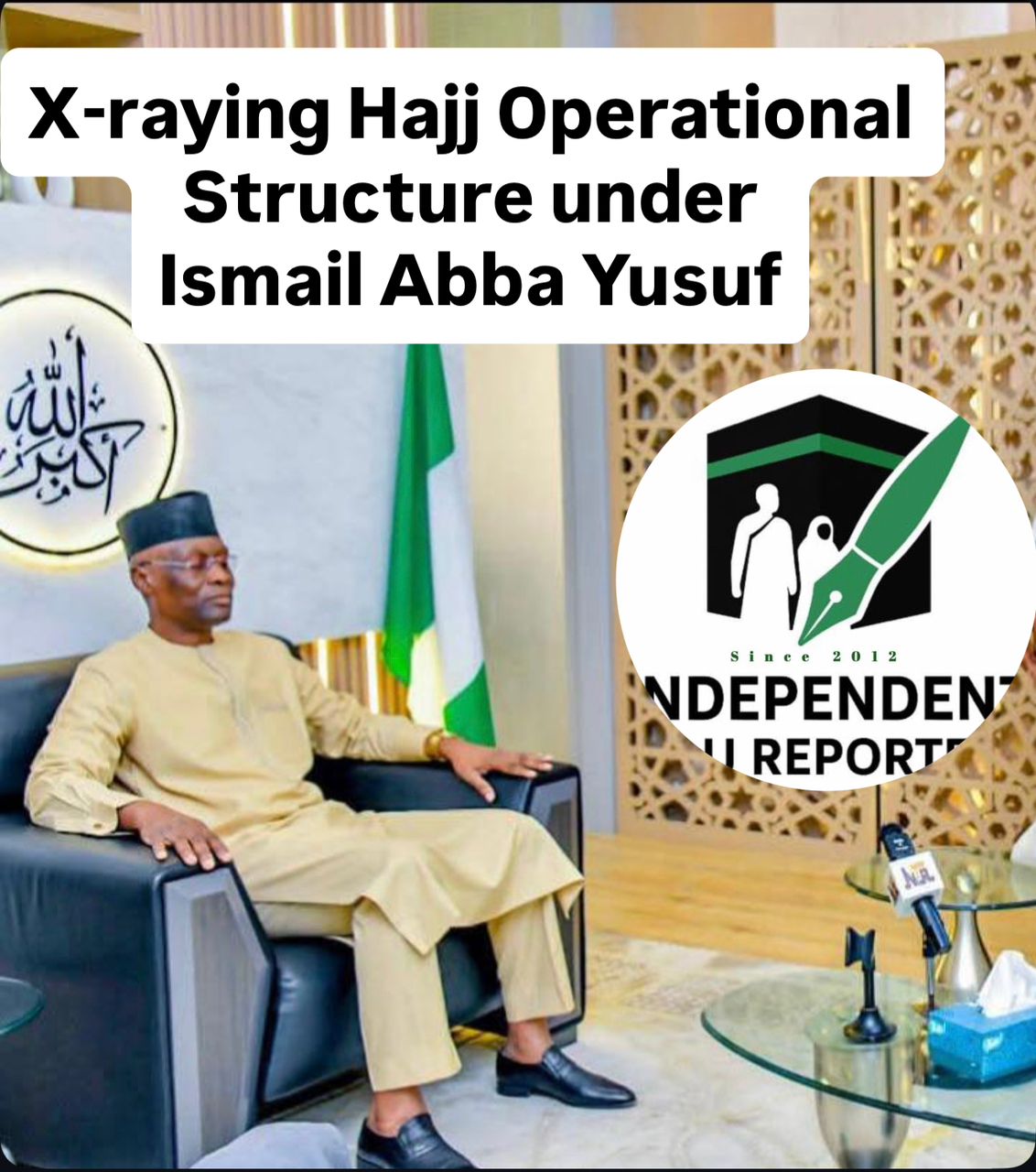
The pace and organisation of pre-Hajj activities have recorded noticeable improvement since the appointment of Ismail Abba Yusuf to lead the National Hajj Commission of Nigeria.
Recent developments indicate a shift in operational focus, with greater emphasis on planning, coordination and service delivery to pilgrims. One of the key changes is the delegation of responsibilities to NAHCON commissioners representing geopolitical zone, who now lead inspection visits to state Muslim pilgrims’ welfare boards and Hajj camps across the country.
These inspections, which assess facilities and readiness ahead of airlift operations, mark a departure from what observers described as routine courtesy visits to political figures under previous administrations.
There has also been increased sensitisation and coordination by state pilgrims’ boards, alongside stronger involvement of NAHCON zonal officials in state-level activities. This has improved collaboration between the commission and states in planning and executing Hajj operations.
The impact of leadership with focus in NAHCON has to be felt across all hajj operational structure like Private Tour Operators and States Muslim Pilgrims Welfare Boards because NAHCON by its establishment act is a regulatory agency. While the task ahead is still daunting, there is hope in horizon going by the gradual improvement in State and Private Tours activities
A major highlight of the preparations is the early deployment of Nusuk cards for Nigerian pilgrims. Officials of Mashariq Al Dhahabia were recently in Nigeria to activate and deliver the cards to NAHCON for onward distribution to pilgrims in Abuja and Lagos zones.
This represents a departure from the 2025 Hajj, when many Nigerian pilgrims received their Nusuk cards only after arrival in Saudi Arabia, leading to challenges. Some pilgrims were reportedly unable to access the Grand Mosque and a few were detained before being released.
Under the current arrangement, pilgrims departing from Lagos and Abuja are expected to receive their Nusuk cards before departure, a move seen as improving their experience and mobility during the pilgrimage.
In addition, the release of flight manifests by states such as Kebbi, Ondo and Bauchi has helped intending pilgrims prepare ahead of their travel dates.
NAHCON’s communication strategy has also shifted towards greater public enlightenment, with more focus on pilgrim-related information rather than administrative activities.
Although many of the preparatory processes were already underway before Yusuf’s appointment, stakeholders say his leadership style is driving a quiet but notable shift in the system.
Observers, however, note that sustaining the momentum will require continued focus on service delivery and insulation from vested interests within the industry.
They add that the 2027 Hajj exercise will serve as a critical test of the commission’s ability to consolidate reforms and align Nigeria’s operations with global best practices seen in countries such as Indonesia, Malaysia and Pakistan.
Aminu Hamza is a retired civil servant based in Abuja
