


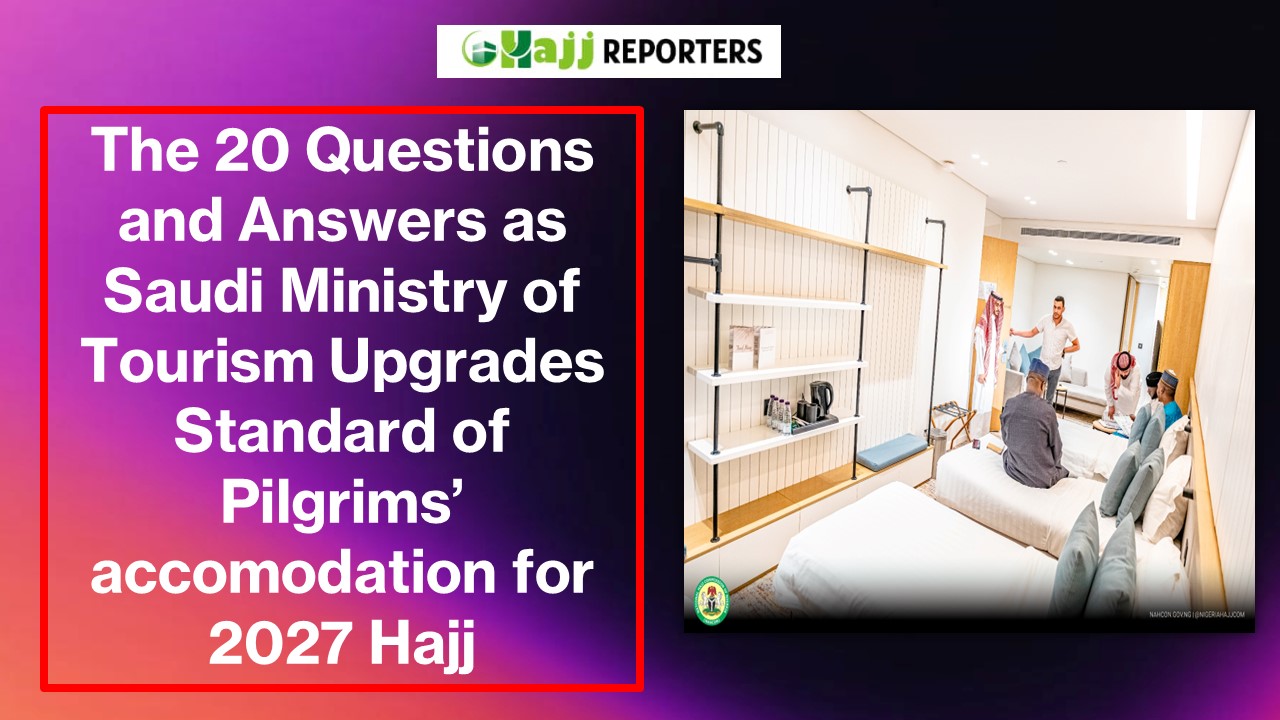
Riyadh, August 15, 2026 – The Saudi Ministry of Tourism has announced updated regulations and standards for Hajj season lodges, aiming to enhance service quality and ensure early readiness for the Hajj season of 1448 AH (2027). The updates cover licensing criteria, classification, and associated violation penalties for facilities designated to accommodate pilgrims in the holy cities of Makkah and Madinah. The move is part of the ministry’s ongoing efforts to improve the hospitality infrastructure and provide a safe, organized experience for guests of Allah.
Context and Background
The Ministry of Tourism’s official spokesman, Nasr Al-Ansari, stated that these updates are designed to develop the regulatory and operational framework for Hajj lodges, ensuring their readiness before operations begin and before receiving guests. The new requirements include verifying operational readiness, meeting safety and maintenance conditions, ensuring continuity of essential services, and adhering to operational standards. This initiative reflects the Kingdom’s commitment to continuously elevate the quality of services provided to pilgrims, in line with the goals of Saudi Vision 2030.
Hajj season lodges, known as “nuzul,” are a vital component of the pilgrimage infrastructure, providing accommodation for millions of pilgrims who visit the Kingdom each year. The updated standards are part of a broader strategy to modernize and regulate the hospitality sector, ensuring that all facilities meet international benchmarks for comfort, safety, and efficiency. The ministry has also emphasized that these regulations are a result of extensive consultation with stakeholders, including lodge operators and industry experts, to ensure practical and effective implementation.
Key Details
The updated standards classify Hajj season lodges into two categories: economic class and first class, each with specific requirements. The standards cover all aspects of lodge operations, including shared facilities, rooms, reception, cleanliness, maintenance, and guest services. Additionally, the new framework introduces multiple stages of inspection and supervision: before licensing, before operation, and during the operational period. This comprehensive oversight ensures strict compliance with the standards and consistent quality of services.
The ministry has called on those wishing to obtain a license to operate Hajj season lodges for the 1448 AH season to begin early in meeting the requirements, completing maintenance and preparation work, and submitting their license applications.
The move is aimed at avoiding last-minute rushes and ensuring that all facilities are fully prepared to welcome pilgrims well in advance. The ministry also stressed that accommodating the guests of Allah is a shared responsibility and a national trust that reflects a rich historical heritage spanning hundreds of years.
Implications and Impact
These regulatory updates are expected to have significant implications for the hospitality sector in Saudi Arabia, particularly in Makkah and Madinah. By tightening standards and enhancing oversight, the ministry aims to ensure that all pilgrims enjoy a safe, dignified, and comfortable stay. This, in turn, will bolster the Kingdom’s reputation as a global leader in hosting religious events and contribute to the growth of the tourism sector, a key pillar of Vision 2030. The new standards also align with the Kingdom’s broader efforts to diversify its economy and reduce dependence on oil revenues by expanding the religious tourism segment.
Internationally, the updated regulations signal the Kingdom’s commitment to providing world-class facilities for pilgrims from around the world. This is likely to enhance the perception of Saudi Arabia as a welcoming and well-organized destination for Hajj and Umrah, potentially attracting more visitors in the long term. Moreover, the emphasis on early readiness and rigorous inspections is expected to minimize operational disruptions during the peak Hajj season, ensuring a smooth experience for both pilgrims and service providers.
Vision 2030 Alignment
The Ministry of Tourism’s initiative is a concrete step towards realizing the goals of Saudi Vision 2030, which seeks to transform the Kingdom into a global tourism hub. By elevating the quality of Hajj accommodation, Saudi Arabia is not only fulfilling its religious duty but also leveraging its unique position to drive economic growth and diversification. The updated standards are part of the Vision 2030 goal of increasing the capacity to host Umrah pilgrims from 8 million to 30 million annually, making the Kingdom more accessible and attractive to a global audience. This initiative also underscores the Kingdom’s commitment to excellence in service delivery, ensuring that every visitor to the holy cities experiences the warmth and hospitality that Saudi Arabia is renowned for.
20 Questions
Q1. What did the Saudi Ministry of Tourism announce?
A1. The ministry announced updated regulations and standards for Hajj season lodges, covering licensing criteria, classification, and violation penalties.
Q2. Why were these updates introduced?
A2. To enhance service quality, ensure early readiness for the Hajj season, and improve the overall experience for pilgrims.
Q3. Which cities are affected by the new standards?
A3. Makkah and Madinah, the two holy cities where pilgrims are accommodated.
Q4. Who is the official spokesman of the Ministry of Tourism?
A4. Nasr Al-Ansari, who provided details about the updates.
Q5. How are Hajj lodges classified under the new system?
A5. They are classified into two categories: economic class and first class, each with specific requirements.
Q6. What areas do the standards cover?
A6. Shared facilities, rooms, reception, cleanliness, maintenance, and guest services.
Q7. What are the inspection stages introduced?
A7. Pre-licensing, pre-operation, and during-operation inspections.
Q8. What is the aim of the “Guests First” campaign?
A8. To develop facilities and provide a safe, enriching experience for pilgrims.
Q9. When is the next Hajj season?
A9. The next Hajj season is 1448 AH, corresponding to 2027.
Q10. Who are the intended beneficiaries of these new standards?
A10. Pilgrims, who will enjoy safer and higher-quality accommodation, and lodge operators, who will have clearer guidelines.
Q11. How does this initiative align with Vision 2030?
A11. It supports the goal of becoming a leading tourism destination and increasing pilgrim capacity.
Q12. What are the key requirements for lodge operators?
A12. They must verify operational readiness, meet safety and maintenance conditions, and ensure essential services.
Q13. Why is early readiness important?
A13. To avoid last-minute issues and ensure facilities are fully prepared for pilgrims.
Q14. What is the significance of the classification into two classes?
A14. It allows for differentiation in quality and price, catering to diverse pilgrim needs.
Q15. How will the ministry ensure compliance?
A15. Through multiple inspection stages and a schedule of violations with penalties.
Q16. What is the historical context of hosting pilgrims?
A16. Saudi Arabia has a centuries-old heritage of caring for guests of Allah.
Q17. How does this affect international pilgrims?
A17. It ensures they have a safe and comfortable stay, enhancing their Hajj experience.
Q18. Are there any new penalties for non-compliance?
A18. Yes, a schedule of violations has been updated to enforce compliance.
Q19. How can operators apply for a license?
A19. By starting early, completing maintenance, and submitting an application to the ministry.
Q20. What is the expected outcome of these updates?
A20. Higher-quality services, better-prepared facilities, and an improved reception for pilgrims.
