


By Pelumi Adesokan
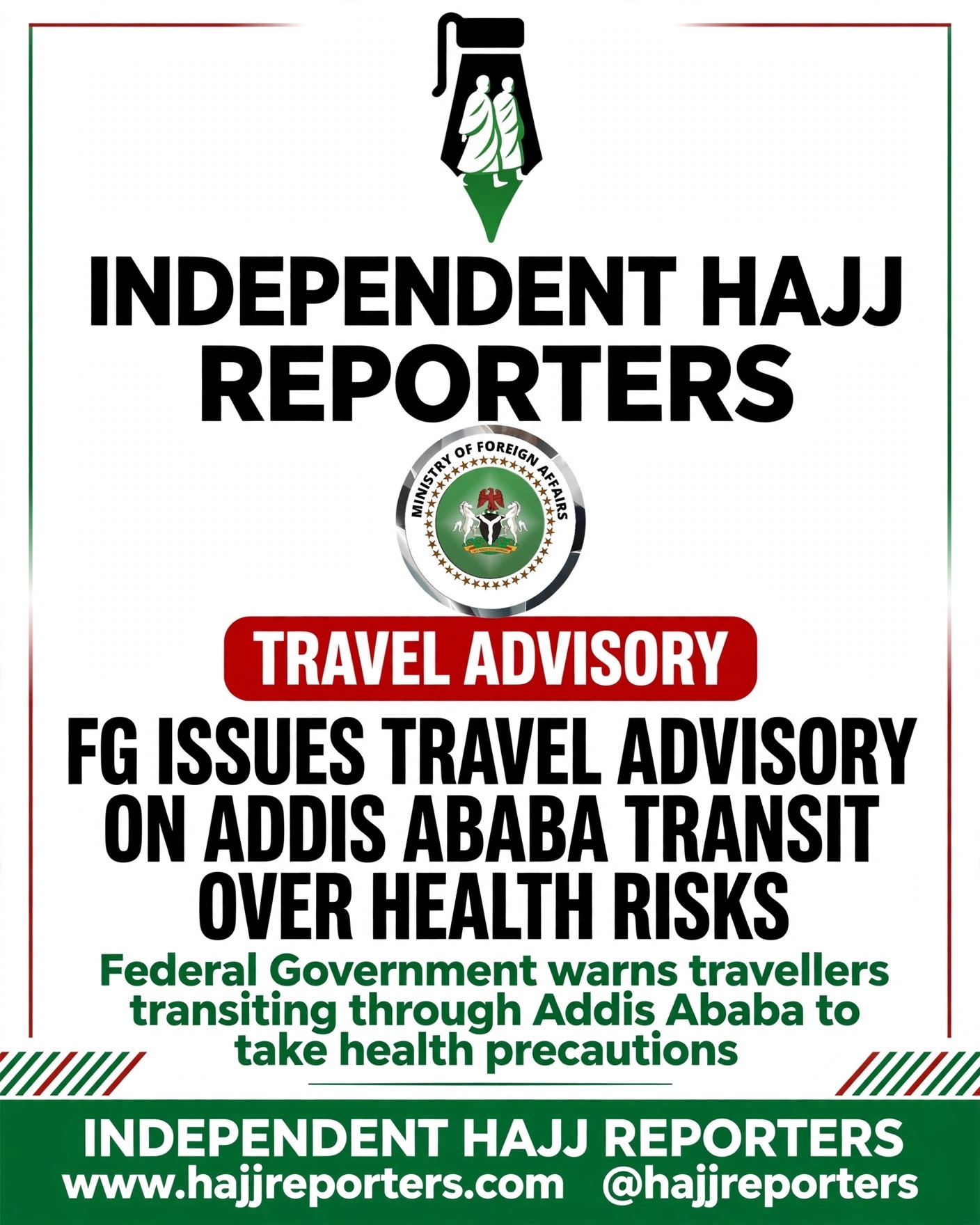
The Federal Government has advised Nigerians, particularly those with pre-existing medical conditions, to exercise caution when planning journeys that involve transit through Addis Ababa, Ethiopia, citing potential health risks associated with the city’s high-altitude location.
Addis Ababa is situated about 2,355 metres (7,726 feet) above sea level, where lower atmospheric pressure results in reduced oxygen availability.
The Ministry of Foreign Affairs said Nigeria’s diplomatic mission in the Ethiopian capital had recorded 16 deaths involving Nigerian travellers transiting through the city this year, reportedly linked to health complications associated with high altitude.
In a travel advisory issued by the Ministry and signed by its spokesperson, Oluwafemi Adeniyi, the government noted that while healthy individuals generally adapt to reduced oxygen levels, people with underlying cardiovascular and respiratory conditions may face increased health risks in such environments.
The government therefore urged Nigerians whose medical conditions could be aggravated by high altitude to take extra precautions and seek appropriate medical advice before undertaking journeys that require transit through Addis Ababa.
It stressed that the advisory was not intended to discourage travel to or through the Ethiopian capital but to ensure that medically vulnerable travellers are adequately informed about the potential physiological effects of high altitude and the precautions they may need to take.
The Federal Government reiterated its commitment to the health, safety and wellbeing of Nigerians and encouraged travellers to make informed decisions, especially when existing medical conditions could increase their vulnerability during international travel.
The Ministry of Foreign Affairs said it would continue to provide timely information and guidance to Nigerians travelling abroad as part of efforts to safeguard their welfare and promote their safety.
