


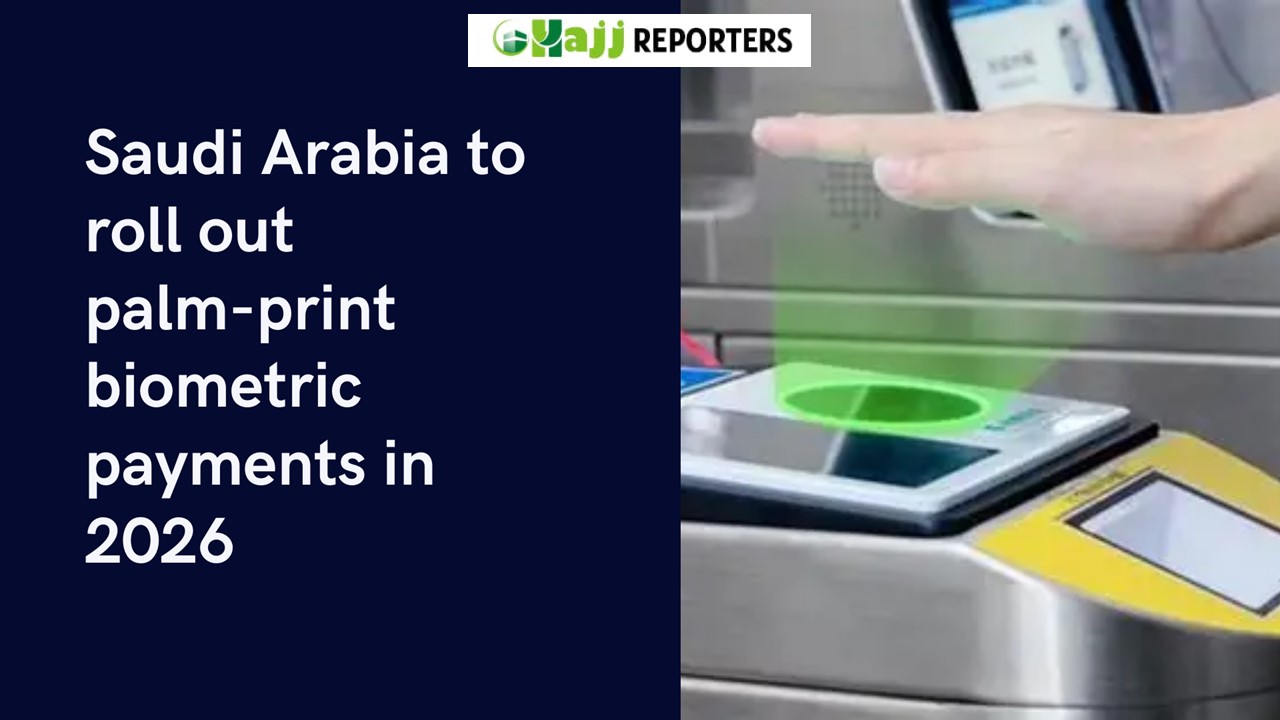
Saudi Arabia is set to introduce palm-print biometric payment technology in 2026, a move expected to accelerate the Kingdom’s transition to secure, cashless transactions.
Under the plan, the rollout will begin in major hubs including Jeddah, Riyadh and NEOM before being expanded to other parts of the country. The system will allow users to authenticate payments using their palm print, eliminating the need for cards or mobile phones.
Officials say the technology offers enhanced security, as biometric palm data is difficult to replicate, significantly reducing the risk of fraud. It is also expected to speed up transactions across retail outlets, transport hubs and service points.
The initiative aligns with the Kingdom’s digital transformation agenda under Vision 2030, which prioritises smart-city development and advanced financial technologies.
The palm-print payment system is currently in the deployment and pilot phase, with partnerships and infrastructure being put in place. Wider public adoption is expected to take place gradually throughout 2026.
If implemented at scale, the technology could reshape everyday transactions in the Kingdom, reinforcing Saudi Arabia’s drive to remain at the forefront of financial innovation.
