


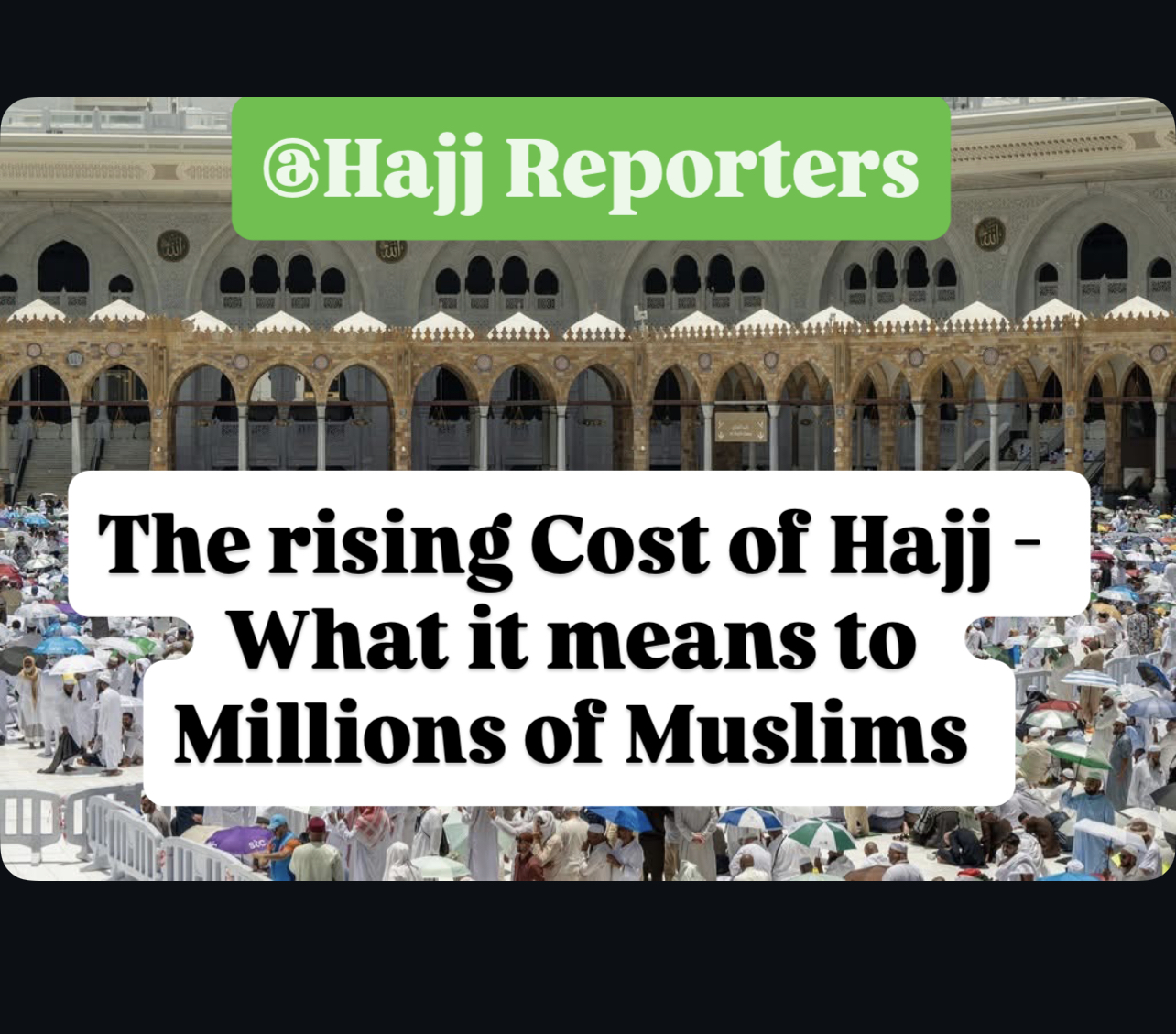
Hajj is obligatory once for Muslims who are financially and physically able. So when costs go up, it touches more than just budgets.
Financial & Social Implications
Fewer people can go, or delay is longer*
With packages now $3,400–$22,000+ depending on country, many families need 5-10 years to save. In places like Nigeria ∼$2,800–$5,000, Pakistan ∼$3,800–$7,100, and UK/US $8,000–$15,000+, the barrier is huge.
More reliance on government subsidies*
Countries like Indonesia, Malaysia, Bangladesh use subsidized schemes to keep costs down. Without subsidies, quotas go unfilled.
Growth of “Hajj saving schemes”*
Banks and Tabung Haji style institutions are seeing more demand as people save over decades.
Spiritual & Community Implications
Focus shifts to quality over quantity*
Since it’s harder to go, many prioritize making their one Hajj “Mabrur” — sincere, well-prepared, focused on worship rather than tourism.
Rise of Umrah instead*
Umrah is cheaper and done multiple times. Some delay Hajj and do Umrah first.
Community support grows
Mosques and charities run Hajj funds, raffles, and group savings to help members.
Operational Implications
Demand for budget packages
Nusuk now offers 6 tiers from “Standard” to “Premium” to fit different budgets. Standard packages in 3-star hotels and farther camps are the most booked.
Pressure on authorities to control prices
Saudi Arabia increased health insurance +720 SAR sacrifice + tent fees. Countries push back by negotiating contracts early.
More Risks of Fraud
High costs push people toward unlicensed agents. That’s why the “No Hajj Without a Permit” + Nusuk verification system was strengthened.
Long-term trends
Hajj becomes older on average*
People wait until later in life when savings are ready.
More focus on local alternatives
Some scholars emphasize local charity, debt relief, and community service if someone truly cannot afford Hajj without hardship.
Technology helps cut costs*
Digital Nusuk booking, e-visas, and centralized packages reduce middlemen and fraud.
Bottom line Rising costs don’t cancel the obligation, but they make preparation, patience, and sincerity even more central. For many, the sacrifice itself becomes part of the worship.
