


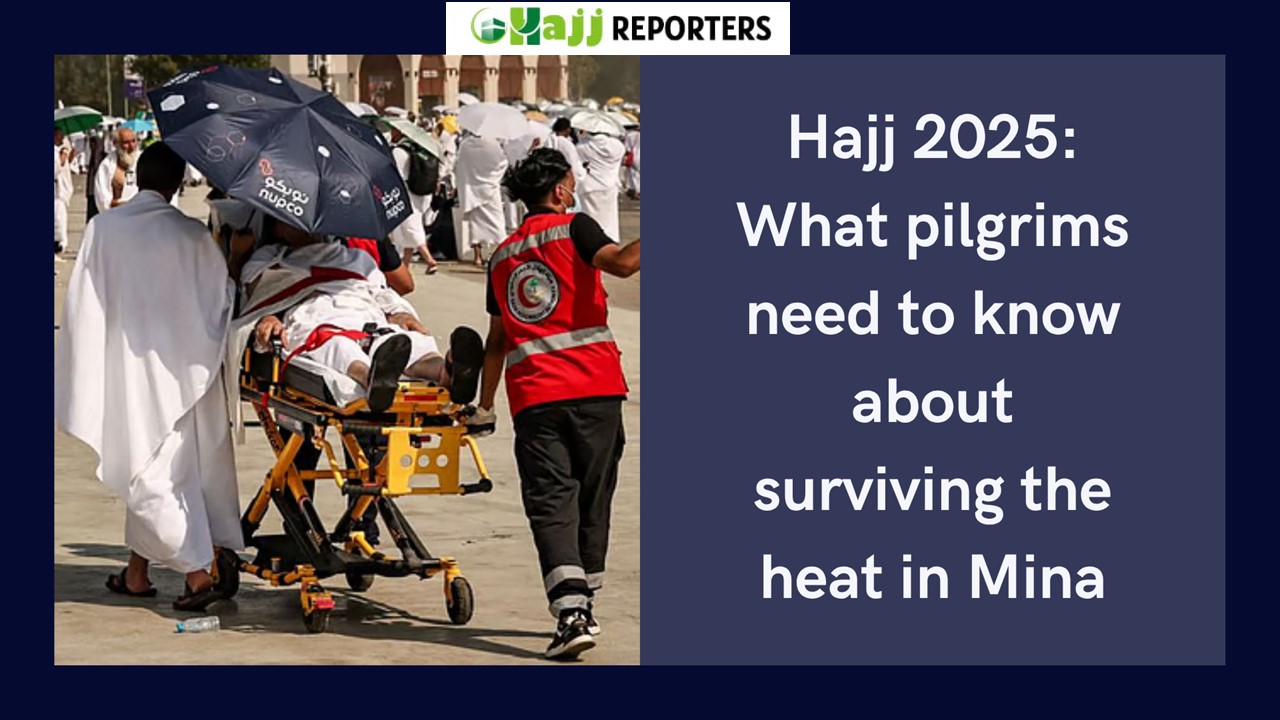
Saudi authorities advise precautions as temperatures soar to 47°C during the annual pilgrimage
Saudi Arabia issues heatwave warnings for Hajj 2025, urging pilgrims to take precautions amid soaring temperatures and enhanced safety measures.
As millions of Muslims prepare for Hajj 2025, Saudi Arabia has issued urgent warnings about extreme heat conditions expected during the pilgrimage.
With temperatures projected to reach up to 47°C, authorities are implementing comprehensive measures to ensure the safety and well-being of all pilgrims.
The National Centre of Meteorology (NCM) has forecasted challenging weather, including high temperatures, potential thunderstorms, and reduced visibility due to dust storms.
Weather forecast
The NCM predicts daytime temperatures between 40°C and 47°C, with nighttime lows ranging from 27°C to 32°C. Humidity levels are expected to fluctuate between 15% and 60%, potentially intensifying the discomfort for pilgrims. Northerly to northwesterly winds, blowing at speeds of 25 to 35 km/h, may raise dust and significantly lower visibility, especially in open areas and along highways leading to the holy sites.
Additionally, there is a possibility of thunderstorms forming over the Taif highlands between the 8th and 13th of Dhu Al Hijjah, which may extend to Mecca and surrounding areas, accompanied by strong downdrafts that could worsen dusty conditions.
Safety measures
In response to these forecasts, Saudi authorities have emphasised the importance of taking necessary precautions. Pilgrims are advised to stay well-hydrated, use protective gear such as umbrellas, and adhere to official weather updates. More than 883 air conditioning units, 244 mist fans, and 3,139 ventilation fans have been installed throughout the holy sites to enhance comfort amid the desert heat. Additionally, 432 fragrance diffusers will infuse the air with calming aromas, enhancing the overall atmosphere of tranquillity and reverence.
The recently inaugurated cooled pedestrian walkway in Makkah, part of the broader “Cooled Roads Initiative,” aims to reduce surface temperatures and enhance comfort for the millions of pilgrims during the intense summer heat. Mobility has also been addressed with the deployment of 400 electric carts, providing additional support for elderly and physically limited pilgrims in completing their rites.
Health precautions
The Ministry of Health has confirmed five cases of heat exhaustion among the more than one million pilgrims who have arrived to perform Hajj rituals. All affected individuals received immediate medical attention and are currently in stable condition. Health teams are on high alert to respond swiftly to similar cases as part of the Kingdom’s commitment to safeguarding the health and safety of pilgrims.
Pilgrims are urged to stay hydrated, avoid prolonged exposure to direct sunlight, and follow official health guidelines, such as using shaded walkways, wearing appropriate protective gear, and seeking help at the first signs of fatigue. Symptoms of heat exhaustion include headache, excessive sweating, nausea, dizziness, and severe thirst. If not treated promptly, heat exhaustion can escalate to heat stroke within 10-15 minutes – a life-threatening medical emergency.
To combat heatstroke risks, the Ministry of Health has announced a series of measures in coordination with the Royal Commission for Makkah City and Holy Sites. These include planting more than 10,000 trees, installing 400 additional water coolers and misting fans, and expanding shaded pedestrian pathways to protect pilgrims from extreme heat.
Pilgrim deaths
Since May 4, five Pakistani pilgrims performing the sacred Hajj have tragically passed away in Saudi Arabia, the Pakistan Hajj Mission confirmed. The pilgrims died from natural causes, highlighting the physical toll this spiritual journey can take, especially on elderly and ailing travelers. Among those who passed away were Khawaja Mehmood from Chakwal, Muhammad Ehsaan from Jamshoro, and Kishwar Sultan from Faisalabad. Their final moments were spent in the holy city of Madinah, where they were granted the honor of having their funeral prayers at Masjid-e-Nabawi. Their burials took place at Jannat-ul-Baqi. The other two pilgrims, Gul Jan from Jhelum and Irshad Begum from Gujranwala, passed away in Mecca and were laid to rest in the Sharai Cemetery.
Additionally, two Nigerian pilgrims participating in the ongoing 2025 Hajj in Makkah have been confirmed dead. The National Hajj Commission of Nigeria (NAHCON) has not disclosed the identities of the deceased but confirmed that both pilgrims died of natural causes. NAHCON has assured that necessary arrangements are being made for the burial of the deceased in accordance with Islamic rites.
Enhanced infrastructure
To accommodate the influx of pilgrims and ensure a smooth experience, Saudi Arabia’s General Authority for the Care of the Affairs of the Grand Mosque and the Prophet’s Mosque has unveiled a comprehensive field plan. This includes the activation of 199 gates to improve the flow of pilgrims in and out of the mosques, enabling better crowd management at peak times. Thirteen dedicated prayer areas have been set aside for people with disabilities, ensuring equal access to worship. To ease movement throughout the expansive mosque complexes, the authority has activated 22 elevators and 224 escalators.
Recognising the linguistic diversity of the global Muslim community, religious and educational materials will also be available in 27 languages, helping international pilgrims engage more fully with the spiritual experience. To support visual clarity and safety, more than 120,000 lighting units have been activated across the two holy sites and their surrounding facilities. The mosques’ libraries continue to play a central role in Islamic scholarship and cultural preservation, offering access to 8,503 rare manuscripts as part of an ongoing digitisation initiative.
Security measures
In light of the tragic events during the 2024 Hajj, where over 1,300 pilgrims died due to extreme heat, Saudi Arabia is ramping up a crackdown on unregistered worshippers. Regular raids, drone surveillance, and a barrage of text alerts are aimed at rooting out unauthorised visitors hoping to mingle among the crowds in and around the holy city of Mecca. The simple message, “No Hajj without a permit,” is being blared out in a relentless campaign promoted nationwide at shopping centres, on billboards, and across media platforms.
Illegal pilgrims face arrest, deportation, and fines in excess of $5,000, while people found helping them risk penalties of almost $27,000. Family and tourist visas have been barred to nationals of more than 10 countries, including Egypt, Pakistan, India, Bangladesh, and Jordan. For the past month, entry into Makkah has been restricted to individuals with work and residency permits. Pilgrims coming for Umrah have also been required to leave.
These measures aim to ensure that Makkah is reserved exclusively for authorised pilgrims during the Hajj season, preventing unauthorised individuals from undermining the success of the pilgrimage. Residents of Makkah have reported a noticeable thinning of crowds compared to previous years, indicating the effectiveness of these stringent policies.
